

Signs Your Home Needs a Roof Replacement Before It’s Too Late
December 29, 2025
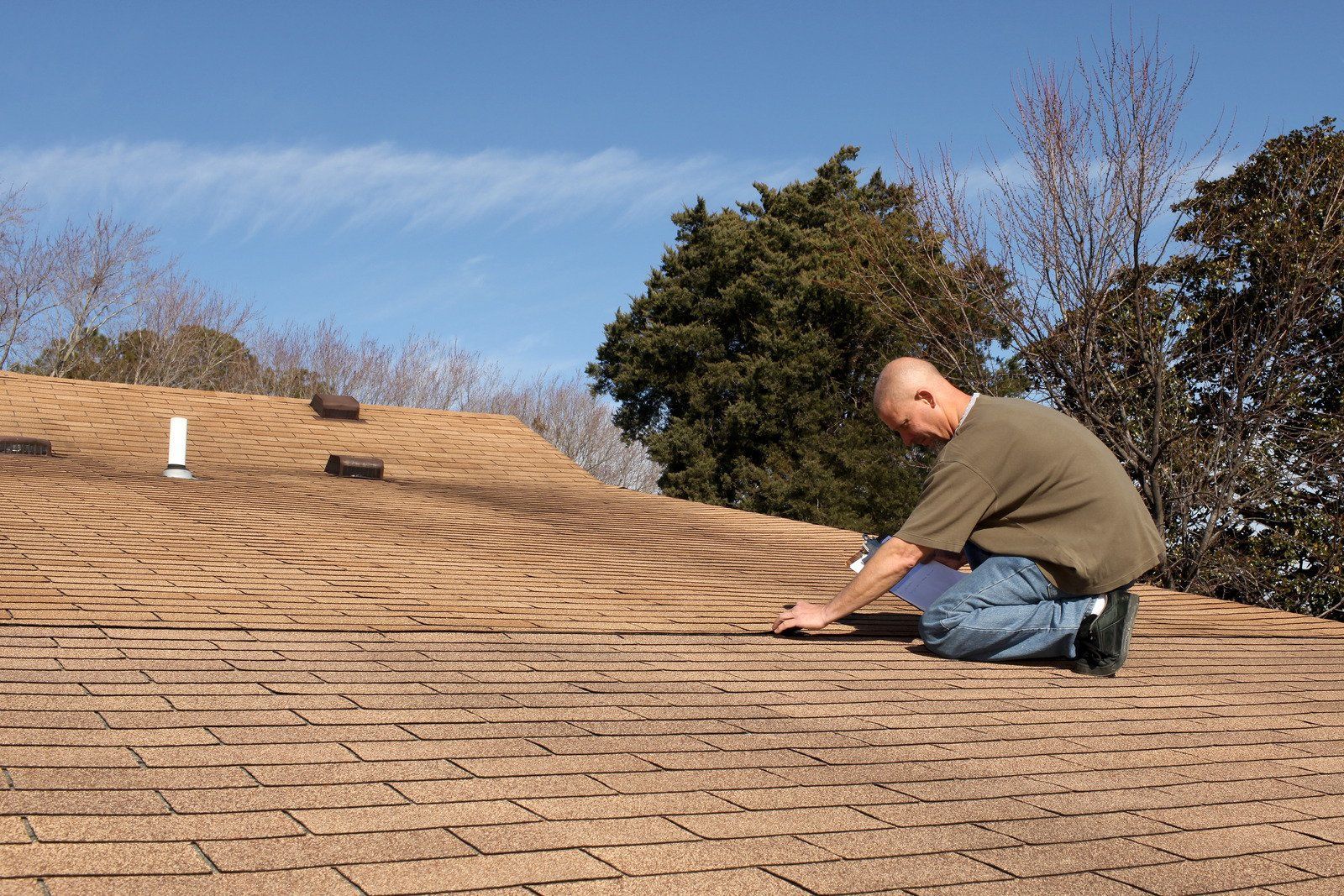
Your home is more than just a place to live—it’s an investment, a sanctuary, and a reflection of your lifestyle. Among all the critical elements that protect your home, the roof stands at the forefront. A compromised roof can lead to extensive damage, from water leaks and mold growth to structural deterioration. Homeowners often underestimate the importance of timely roof maintenance, resulting in costly repairs and safety hazards that could have been avoided with early intervention. Understanding the signs that indicate your roof may need a replacement is essential for maintaining the integrity and value of your property.
Recognizing these warning signs early allows homeowners to act proactively rather than reactively. Whether it’s sagging shingles, persistent leaks, or signs of aging, identifying potential issues can save both money and stress. In today’s dynamic housing market, a well-maintained roof not only ensures the safety of your household but also boosts curb appeal and long-term property value. This guide will explore the most critical indicators that your roof is nearing the end of its lifespan, providing practical insights and actionable advice to help you make informed decisions before small problems escalate into major expenses.
1. Visible Signs of Roof Damage
Shingle Deterioration
Shingles are the first line of defense against weather elements. Over time, they can become cracked, curled, or missing entirely. Exposure to harsh sunlight, wind, and rain gradually erodes the protective granules on asphalt shingles, leaving them brittle and susceptible to damage. When you notice shingles lifting or granules accumulating in gutters, it’s a clear indication that your roof’s protective layer is compromised. Timely identification of shingle deterioration not only prevents leaks but also extends the overall life of your roof. Regular inspections can help homeowners catch early warning signs before minor damage escalates into costly repairs.
Example: A homeowner in Northern California noticed curled shingles after a winter storm. Ignoring the issue led to interior water damage that required extensive repairs, emphasizing the importance of addressing even minor visible damage promptly.
Cracked or Missing Tiles
For homes with tile or slate roofing, individual tiles can crack, break, or dislodge due to heavy rainfall, windstorms, or natural settling. Missing tiles expose the underlying structure to water penetration, increasing the risk of rot and mold. Even small cracks can allow water to seep underneath, gradually compromising the roof deck.
Best Practice: Inspect your roof bi-annually, especially after severe weather events, to replace or repair damaged tiles promptly. Maintaining detailed records of inspections can help track recurring issues and prevent long-term structural damage.
2. Signs of Water Damage
Leaks and Water Stains
Persistent leaks or water stains on ceilings and walls indicate that your roof may no longer be providing adequate protection. Water intrusion can weaken structural components and create a conducive environment for mold growth, which poses health risks. Over time, even small leaks can compromise insulation, electrical systems, and interior finishes, turning a minor problem into a major expense.
Scenario: A family noticed brown water stains forming in their attic after a heavy rain. Investigation revealed that the flashing around the chimney had deteriorated, allowing water to seep into the home. Prompt intervention could have prevented damage to the ceiling and insulation.
Mold and Mildew Growth
Mold and mildew thrive in damp environments. If you notice a musty odor or visible mold in your attic or ceilings, it may point to roof leaks that have gone unnoticed. Addressing these issues early prevents extensive remediation costs and health hazards. Mold can also spread to walls and floors, creating a long-term issue if left untreated.
Expert Tip: Use a flashlight to inspect your attic for mold, water streaks, or damp insulation—especially after storms. Regular attic inspections can catch hidden leaks that might not be obvious from the exterior.
3. Structural Indicators
Sagging Roof Deck
Damaged Flashing and Seals
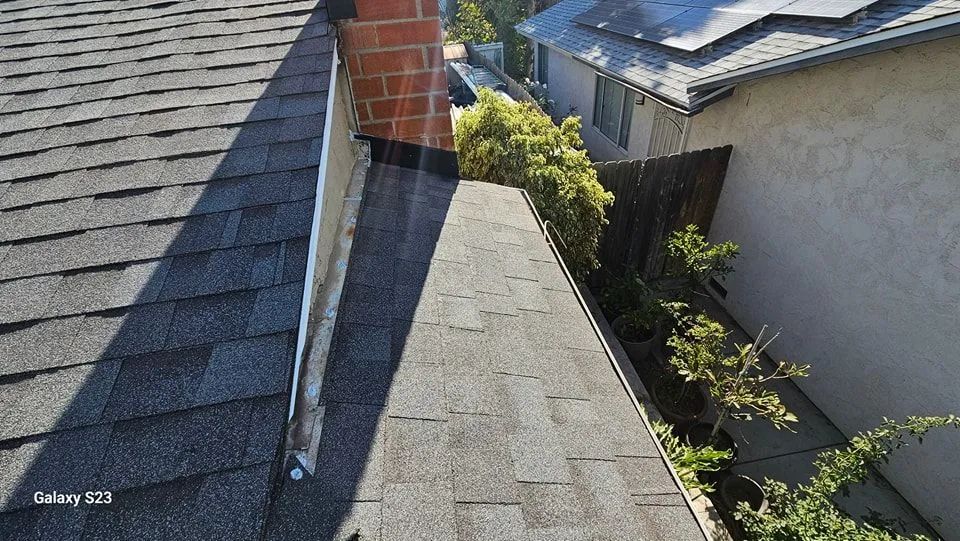
Flashing—metal strips around chimneys, vents, and valleys—ensures water is directed away from vulnerable areas. Rusted, cracked, or missing flashing is a common cause of leaks and water damage. Neglecting flashing issues can accelerate deterioration of shingles and underlying roofing materials.
Scenario: A homeowner ignored minor flashing issues near the attic vent. Over time, this resulted in rotting rafters that required a costly full roof replacement. Addressing flashing problems early can save thousands in repair costs and prolong roof life.
4. Age and Wear Considerations
Roof Age
Every roofing material has a finite lifespan. Asphalt shingles typically last 20–25 years, while tile and slate can last 50 years or more. Even if your roof appears visually intact, aging materials lose their protective qualities, making them vulnerable to leaks and damage. Planning for a replacement before total failure ensures continuous protection for your home.
Expert Insight: Proactive replacement before failure ensures safety, prevents water damage, and maintains home value. Scheduling a roof evaluation as your roof nears its expected lifespan can help homeowners budget effectively and avoid emergency replacements.
Frequent Repairs
If your roof requires constant repairs, it may be more cost-effective to replace it entirely rather than investing in temporary fixes. Repeated patching can signal underlying issues that aren’t visible from the surface, such as weakened decking or hidden leaks.
Example: Homeowners who patched a 22-year-old shingle roof annually eventually faced complete deck deterioration, prompting a full replacement—proving replacement can be more economical in the long run. Keeping track of recurring repairs helps identify when the roof has outlived its practical life.
5. External Environmental Impacts
Storm Damage
High winds, hail, and heavy rainfall can accelerate roof wear or cause sudden damage. Hail can crack shingles or dislodge granules, while strong winds can lift or tear roofing materials. Even minor storm damage, if left unchecked, can result in long-term leaks or structural issues.
Actionable Step:
Schedule an inspection after major weather events to identify subtle damage before leaks develop. Documenting damage and repairs helps support insurance claims and ensures thorough resolution of problems.
Tree and Debris Damage
Overhanging tree branches can scrape, crack, or puncture roofing materials. Fallen branches and accumulated debris retain moisture, promoting mold growth and rot. Moss or leaf buildup can also block gutters, leading to water pooling on the roof surface.
Scenario: A homeowner in a heavily wooded area experienced recurring roof leaks caused by constant moss buildup and minor punctures. Roof replacement resolved the issue permanently. Regular maintenance, including trimming trees and clearing debris, can significantly prolong roof life.
6. Attic and Insulation Warning Signs
Poor Ventilation
Insufficient attic ventilation can cause heat and moisture buildup, leading to premature shingle deterioration and warped roof decking. Excess heat accelerates aging of roofing materials and can reduce energy efficiency in the home. Proper ventilation supports the longevity of shingles and prevents costly damage over time.
Expert Recommendation: Ensure proper ridge vents, soffit vents, and attic insulation. If ventilation issues are present alongside other damage signs, a roof replacement is often necessary to restore safe and efficient airflow throughout your home.
Damaged or Wet Insulation
Inspect your attic insulation for dampness or mold. Wet insulation indicates persistent water infiltration, which may not be visible from the exterior. Ignoring wet insulation can lead to structural decay and health risks from mold exposure.
Best Practice: Conduct a thorough attic inspection at least twice a year and after heavy storms. Early detection and replacement of compromised insulation protects both the structure of your home and indoor air quality.
Recognizing the warning signs of a failing roof is essential for protecting your home and ensuring long-term structural integrity. From visible shingle damage and leaks to structural sagging, mold growth, and aging materials, proactive inspection and timely replacement prevent costly repairs, enhance safety, and maintain property value. Small warning signs often indicate deeper issues within your roofing system, so adding regular roof inspections to your home maintenance routine is crucial.
Protecta Roofing Inc.
Closing Statement
For homeowners in San Marcos, California, Protecta Roofing Inc. provides over 25 years of professional roofing expertise, ensuring that every home remains safe, durable, and visually appealing. Our team specializes in comprehensive roof inspections, expert repairs, and complete roof replacements, helping you identify potential problems before they become serious hazards. With decades of experience, we understand the unique challenges posed by local weather conditions, from intense sun and heat to seasonal storms, enabling us to offer tailored solutions that extend the life of your roof.
At Protecta Roofing Inc., we pride ourselves on combining professional skill with dependable customer service. Our licensed and insured professionals provide honest assessments, transparent pricing, and high-quality materials, ensuring that every roofing project meets the highest standards. Whether you’re dealing with minor wear, extensive storm damage, or simply reaching the end of your roof’s lifespan, our team delivers solutions that protect your home and your investment. Trust Protecta Roofing Inc.
to safeguard your home with expertise and precision that comes only from more than 25
years of dedicated service.