

Dark Streaks on Your Roof? What Those Algae Stains Really Are
August 13, 2026

WARNING: A flat roof installed over damp insulation, or without correcting an existing low spot, can look complete and still fail within a year or two. If a contractor skips the moisture scan or the tear-off and offers to build over the old roof to save time, that shortcut shows up later as a leak. It's not saving.
Quick Answer: Those dark, sooty-looking streaks running down your shingles are almost always algae, an airborne organism called Gloeocapsa magma that settles on roofing granules and feeds on the limestone filler inside them. It's not soot. Not mold, not tree sap either. Left alone long enough, the colony spreads, holds moisture against the shingle surface, and shortens the life of the roof it's growing on, and pressure washing it away does more harm than good.
What You're Actually Looking At
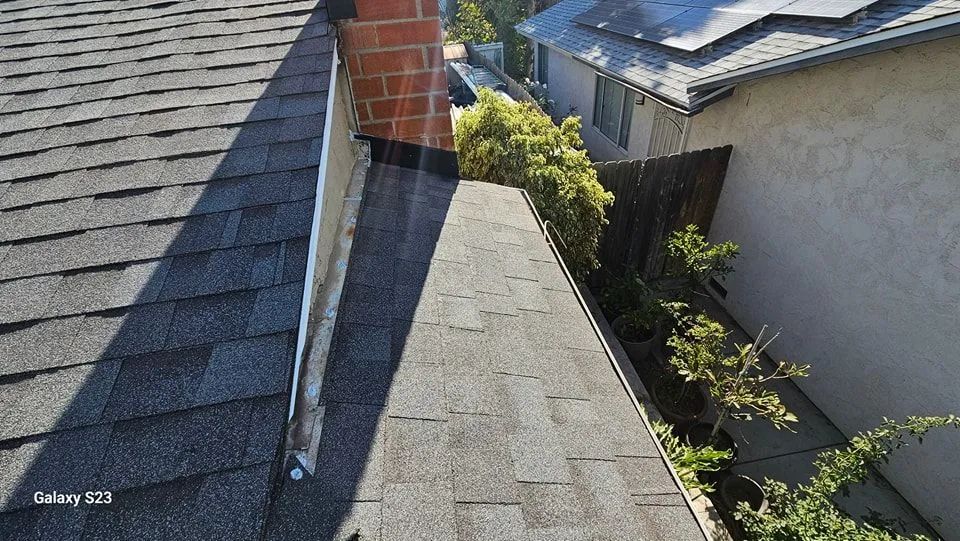
Homeowners tend to assume those streaks came from a chimney, a nearby wildfire, or years of accumulated dirt. In most cases, none of that is true. The staining is a living organism, a type of cyanobacteria that travels through the air as spores and lands on roof after roof in a neighborhood, which is why algae streaking often shows up on several homes on the same block around the same time. Once it establishes a colony, it produces a dark pigment as a natural defense against UV exposure, and that pigment is what you're seeing as the streak.
Not soot. Not neglect. Just biology doing what it does when the conditions line up.
The streaks typically run down from the ridge or from around vents, chimneys, and skylights, following the path where moisture sits longest after fog or dew burns off. On a roof that's been up for eight or ten years, you'll often see the staining concentrated on the north-facing slope or on sections shaded by a tree, because those areas dry out slower than the rest of the field.
Why This Shows Up So Often in North County
You'd think a dry, sun-heavy climate like San Diego County would keep algae away, and for a lot of inland roofs, low humidity does slow it down. Coastal and near-coastal properties are a different story. The marine layer that rolls in most mornings from Carlsbad through Encinitas and Solana Beach leaves a film of moisture on roofing surfaces that can linger for hours before the sun burns it off, especially on shaded slopes or roofs tucked under mature trees. That daily cycle of dampness followed by heat is close to ideal for algae growth, even in a region that gets relatively little rain overall.
Homes closer to the coast, and roofs with heavier tree cover in Vista, Poway, or inland canyon lots, tend to show streaking sooner and more heavily than a roof out in the open with full afternoon sun. Roof pitch matters too. A steeper roof sheds moisture faster than a low-slope section, which is part of why streaking often looks patchy rather than uniform across the whole roof.
Algae, Moss, and Plain Dirt Are Not the Same Problem
It helps to know the difference, because the fix for each is different. Algae produces a dark brown to black streak or blotch that follows water paths and tends to spread gradually over years. Moss is a green, textured growth that clumps rather than streaks, usually in shaded, consistently damp spots, and it holds far more moisture against the shingle than algae does. Plain dirt or debris staining is more uniform, doesn't follow the streak pattern, and often washes away with light rinsing without the discoloration returning right away.
Mistaking one for the other leads to the wrong treatment. Scrub at what you think is dirt, and if it's actually an active algae colony, you just spread spores to clean sections of the roof, and to your neighbor's roof next door if the wind is blowing that direction.
TIP: If the streaking follows a consistent downward pattern from the ridge or from around a roof penetration, treat it as algae rather than dirt. That pattern is the biggest visual tell, and it changes how the problem should be handled.
What Happens If the Colony Is Left to Grow
Algae on its own is mostly cosmetic in its early stages, but it rarely stays that way. As the colony thickens, it holds moisture against the shingle surface longer than bare granules would, which speeds up the breakdown of the asphalt underneath. A shingle with an active, established algae colony also tends to run warmer under direct sun, since the dark pigment absorbs more heat than the original shingle color, and that added heat cycling contributes to granule loss over time.
Left unaddressed for years, algae colonies create the damp, shaded microenvironment that moss and lichen need to take hold. Moss roots work into the shingle tabs and lift them slightly at the edges, which is a much more serious problem than the staining itself because it opens a path for wind-driven rain to get underneath the shingle. What starts as a cosmetic streak can turn into a maintenance issue that shortens the roof's usable life by several years if it's never addressed.
Why Some Roofs Stay Clean While Others Streak Heavily
Shingle color and composition play a real role here. Lighter colored shingles show algae staining far more visibly than darker shingles, even when the actual algae growth is similar, simply because the contrast is stronger against a pale background. Some manufacturers also produce algae-resistant shingles that use copper-infused granules woven throughout the shingle surface rather than just on top, and those granules release small amounts of copper over time that make the surface inhospitable to algae colonies. A roof installed with that type of shingle will typically go many more years before showing any noticeable staining compared to a standard shingle in the same location.
Roof age matters as well. Newer shingles still carry a fuller layer of protective granules and algae-resistant coating where it applies. An older roof has shed some of that surface protection through years of UV exposure and weathering, and that's what makes it the easier target.
What We Check During an Inspection
When we're out looking at a streaked roof, we're not just confirming what you can already see from the ground. We check how far the staining has progressed into the granule layer versus sitting on the surface, whether the shingles underneath the streak have started to lose granules at an accelerated rate compared to unaffected areas, and whether moisture is actually being trapped or if it's drying out normally between fog cycles. We also look at nearby trees, vents, and shaded valleys, since those tend to be where the next wave of growth will start even if it hasn't shown up yet.
Gutters get a look too. Algae and the granules it loosens both wash down into the gutter system during rain. A gutter full of dark, gritty sediment is often a sign the algae problem runs deeper than the streaking on the roof lets on.
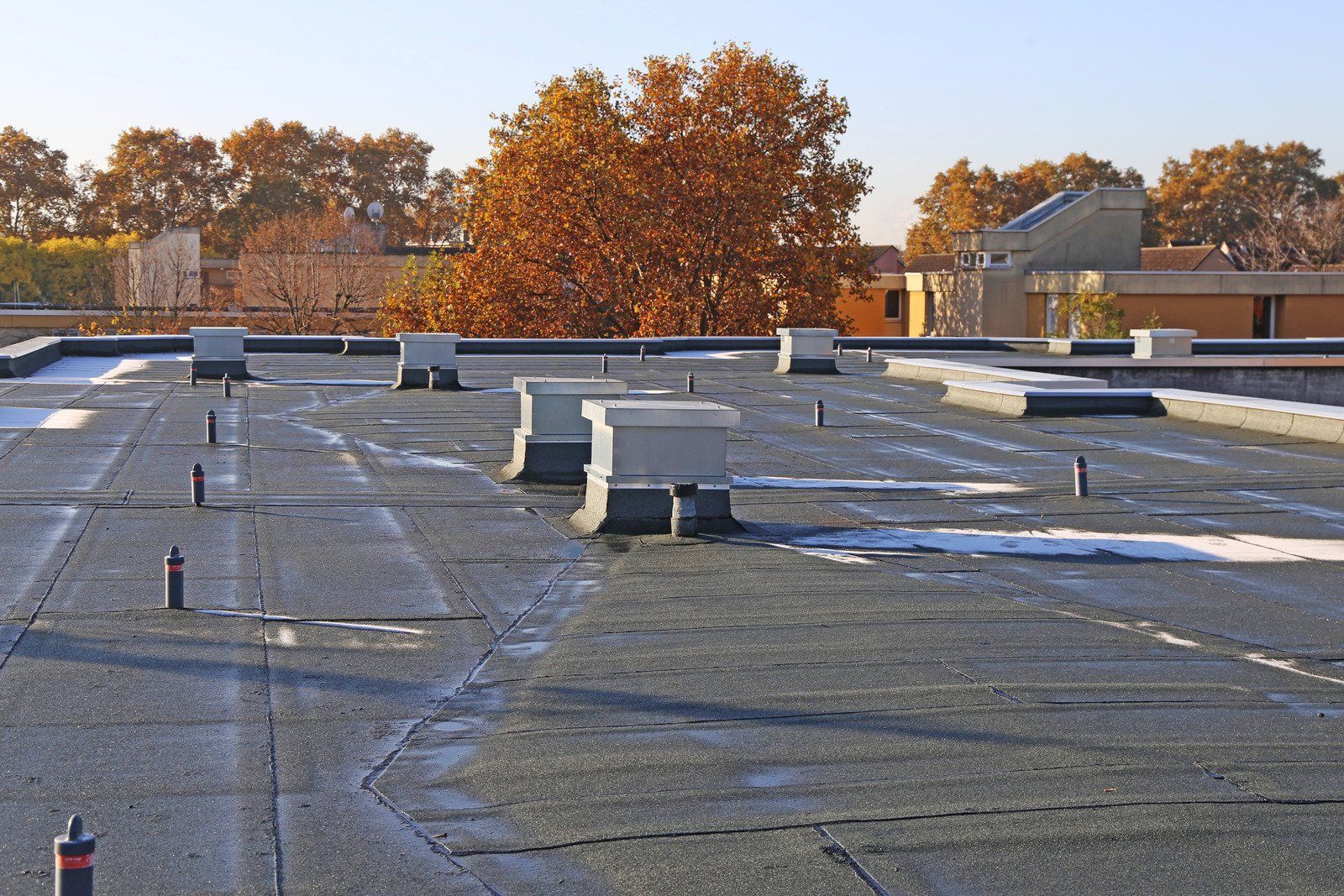
Quick Answer: A proper flat roof installation starts with a full tear-off and deck inspection, not just a new membrane laid over the old one. From there, the crew corrects the slope with tapered insulation so water actually reaches the drains, installs a membrane suited to the climate (TPO, EPDM, or modified bitumen), heat-welds or seals every seam, and flashes every penetration and parapet edge before final inspection. A residential flat roof section, like a patio cover or garage addition, typically takes a few days from tear-off to final walkthrough. A commercial roof spans a much larger area and can take one to several weeks depending on size and rooftop equipment.
If your patio cover roof has been patched three times in five years and keeps failing in a new spot each time, the membrane underneath is worn out. That's usually the real story, not one bad patch job. Last winter's rain probably left a brown ring on the ceiling below to prove it. Once a flat roof starts failing in new places instead of the same old spot, the question changes. It's no longer "how do we fix this section." It's "what does replacing the whole thing actually involve."
Flat and low-slope roofs cover patio additions, garages, ADUs, and full commercial buildings all over North County San Diego. The design is efficient, and it's practical for a lot of building types. But flat roofing fails differently than a pitched shingle or tile roof does, and a rushed installation shows up as a leak in a few years instead of holding for decades. Here's what a flat roof job looks like when it's done right, start to finish.
Cleaning Algae the Right Way
The instinct to power wash the roof and blast the streaks away is understandable, but it's one of the fastest ways to shorten a shingle roof's life. High-pressure water strips the granules right along with the algae, exposing the asphalt layer underneath to direct UV. That kind of granule loss cannot be reversed. A proper cleaning uses a low-pressure application of a cleaning solution formulated for asphalt shingles, applied and allowed to sit before a gentle rinse, working from the top of the roof down so runoff doesn't sit on lower sections longer than necessary.
WARNING: Never let anyone walk a wet, algae-covered roof without proper fall protection. The combination of a sloped surface, standing moisture, and a slick algae layer is one of the more common causes of roofing injuries, and it's not a task to hand to a general handyman or attempt yourself from a ladder.
Keeping It From Coming Back
Once a roof has been cleaned, the goal shifts to slowing the next colony from establishing. Trimming back branches that overhang the roofline lets more direct sun and airflow reach shaded sections, which cuts down on the lingering moisture algae depends on. Keeping gutters and valleys clear of debris matters too, since trapped leaves and needles hold moisture against the shingle in exactly the spots where algae tends to start. For roofs that stay heavily shaded no matter what, zinc or copper strips installed just under the ridge cap let trace metal wash down the roof every time it's wet, which discourages regrowth without the risks that come with repeated pressure washing.
A roof already showing early signs of algae is also a good candidate for a closer look at overall condition, since the same coastal moisture cycle that feeds algae growth also affects flashing, vents, and the granule layer generally. Catching a colony early, before it's had years to work into the shingle surface, keeps the fix simple and keeps the rest of the roof from paying the price for it.
Frequently Asked Questions
Does algae staining mean my roof needs to be replaced?
Not on its own. Early to moderate algae staining is usually a surface issue treated without affecting the shingles underneath. Replacement becomes necessary only after years of unchecked granule loss and shingle deterioration set in.
Will the streaks come back after cleaning?
They can, especially on shaded or north-facing slopes near the coast, since the moisture conditions that caused the growth haven't changed. Prevention steps like trimming trees and installing metal strips matter as much as cleaning.
Is algae staining worse on tile or metal roofs than shingles?
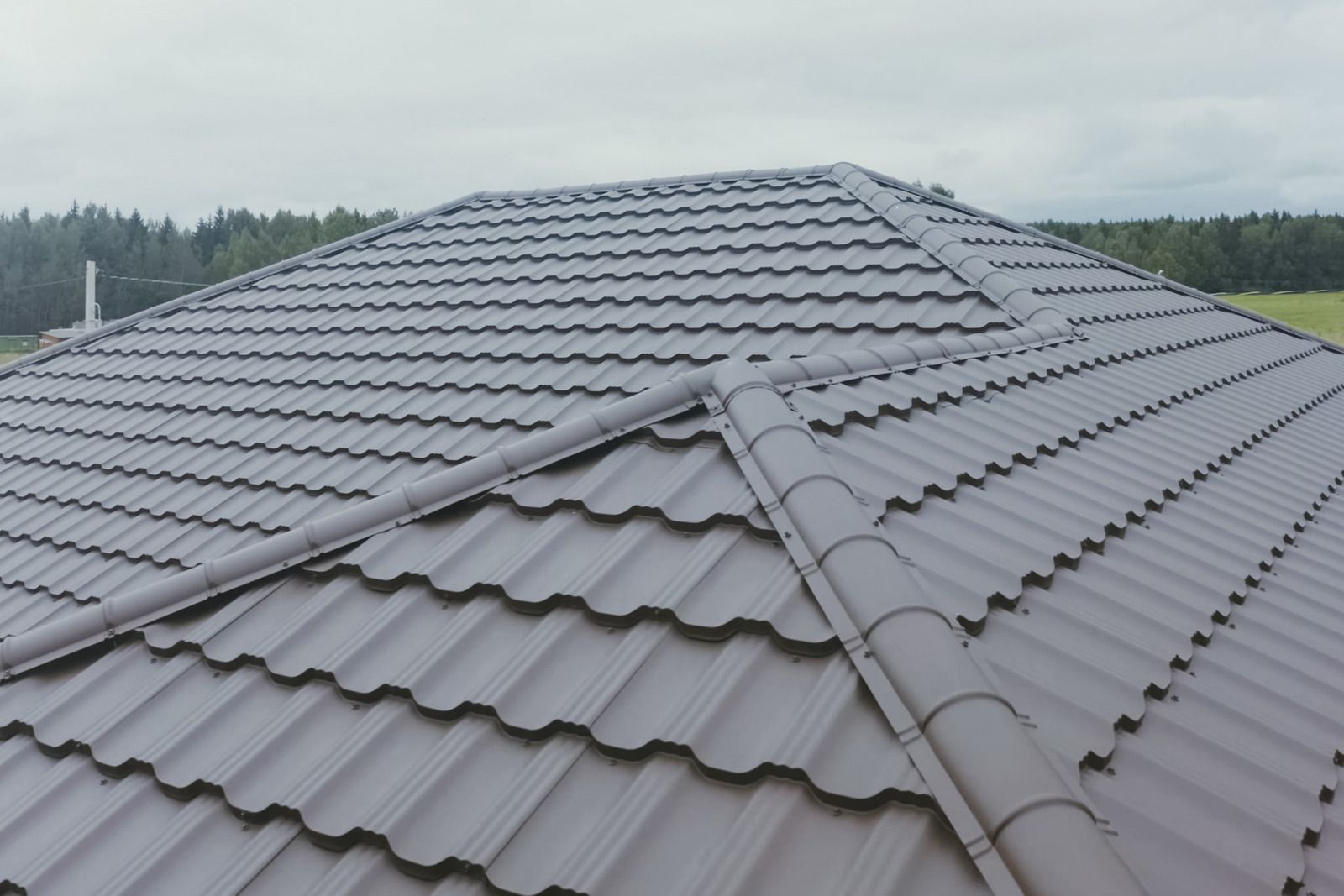
Algae can grow on almost any roofing material, but it's most visible and damaging on asphalt shingles because of the limestone filler in the granules. Tile and metal develop surface growth too, without that breakdown.
Can I tell the difference between algae and a roof leak stain from the ground?
Sometimes, but not reliably. Algae streaks follow water paths on the roof exterior, while a leak stain shows as discoloration on an interior ceiling or ridge board. Interior staining is a separate issue worth checking.
Streaks Fade Fast Once the Real Cause Is Addressed
Dark streaks on a shingle roof almost always trace back to the same source: an airborne algae colony feeding on granule filler, not soot, sap, or years of dirt. Once you know what the pattern actually means, the next steps become a lot clearer. Left alone, that colony holds moisture, absorbs extra heat, and slowly works its way into the shingle layer beneath it. Catching it early keeps the fix simple and limited to the surface rather than the roof structure underneath.
Protecta Roofing Inc.
has spent 25+ years working on roofs across San Marcos, CA, and the surrounding North County coastline, where the marine layer keeps this exact issue coming back year after year. A proper inspection looks past the visible streaking to check granule condition, trapped moisture, and the shaded areas most likely to grow the next patch. With that information in hand, a homeowner can weigh cleaning, prevention, and timing with a clear picture of what their roof actually needs.