Is Metal Roofing Right for Your Home? Expert Tips for Installation and Replacement
June 30, 2026

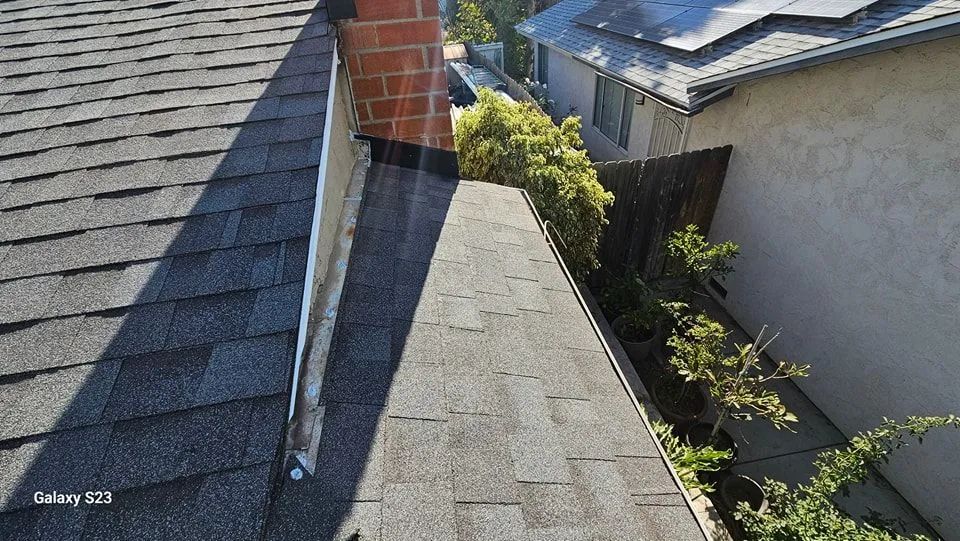
You are standing in the driveway looking up at a roof that has given you everything it has. The shingles along the south facing slope have gone chalky and gray, a couple of corners are lifting in the afternoon heat, and you have already patched the same valley twice. Maybe a neighbor down the street just had crisp metal panels installed, and now you are wondering whether that is the smarter move for your own home. Here is the short version before anything else: metal roofing is one of the longest lasting and most heat smart options you can put over a house in our region, but it is not automatically the right call for every home.
The decision comes down to three honest questions. How long do you plan to stay, what shape and slope is your roof, and who is handling the installation. We have walked hundreds of roofs across inland Southern California, and the homes where metal pays off most share a clear pattern. The ones where it disappoints almost always trace back to a rushed install rather than the material itself. Let us walk through which group your home falls into.
Signs Metal Roofing Is Worth It for Your Home
Metal earns its keep when you plan to stay long enough to benefit from a roof that can last 40 to 70 years instead of the 15 to 25 you get from asphalt. If you expect to sell within a couple of years, the longer life matters less and the higher upfront price is harder to justify. But if this is your long term home, the math shifts hard in metal's favor.
Sun exposure is the other tell. A roof that bakes in full afternoon sun and drives your cooling bills through the roof is exactly where reflective metal shines, often dropping attic temperatures by a meaningful margin. Homes on brush lined lots also gain real fire protection, which is no small thing in our part of the world.
The Main Types and How to Choose
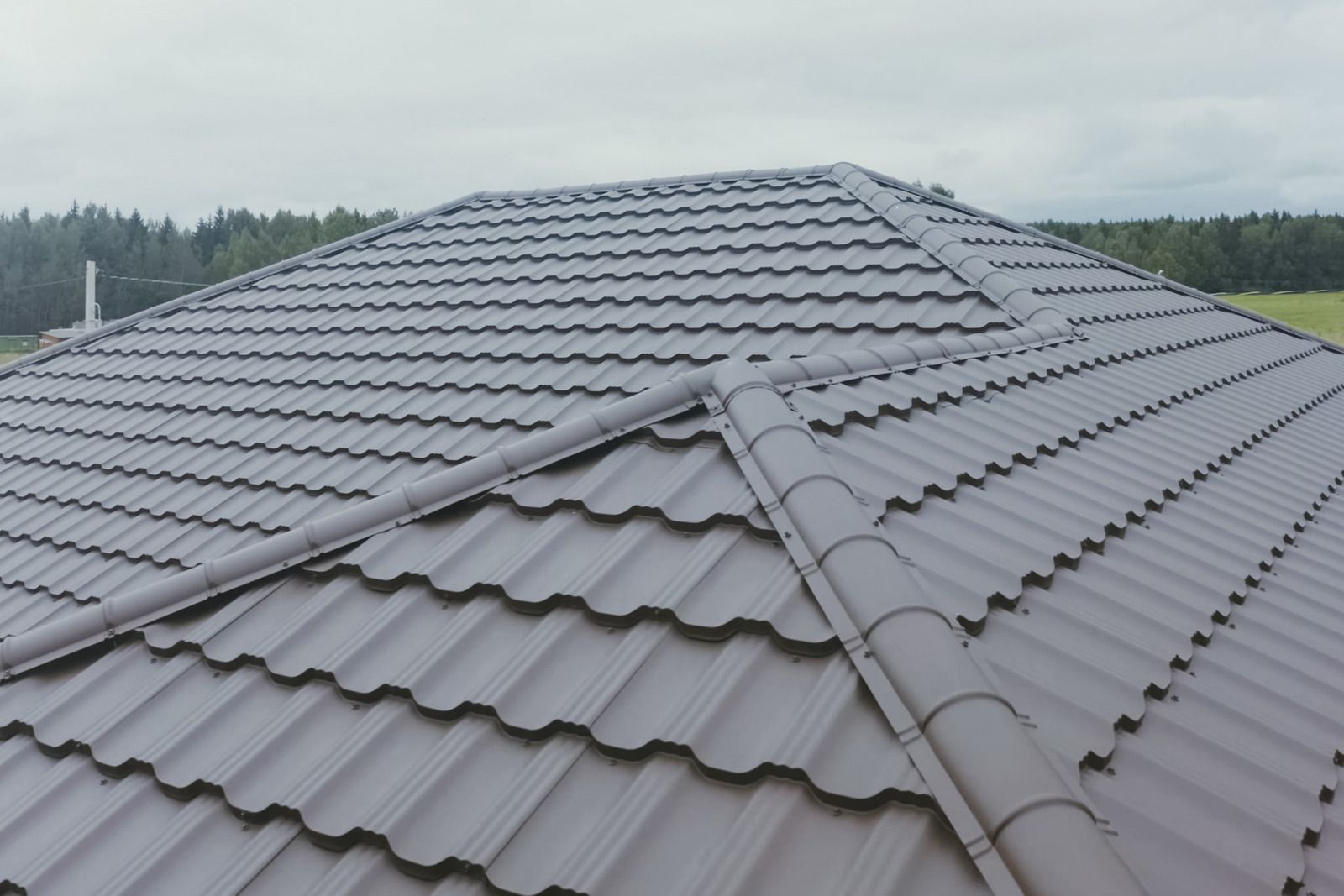
Standing seam is the system we recommend most often for homes here. The fasteners are hidden beneath raised vertical seams, so there is nothing exposed for the sun and wind to work loose over the decades. It handles low slopes well, down to roughly a 1 in 12 pitch, and the clean lines suit most home styles.
Stone coated steel and metal shingles mimic the look of tile or shake while keeping metal's strength and light weight. These are a strong pick when you want curb appeal closer to a traditional roof.
Exposed fastener corrugated panels are the budget friendly end. The screws sit on the surface with rubber washers that dry out over time, so plan on refastening around the 15 to 20 year mark. We use these mostly on outbuildings and patios rather than primary roofs.
Why Metal Holds Up So Well in Our Climate
Our climate is almost custom built to favor metal. Long, intense summers and high UV punish asphalt, drying out the oils that keep shingles flexible until they curl and crack. Metal does not break down that way. It reflects heat instead of absorbing it, which eases the load on your cooling system through the hottest stretch of the year.
Wildfire exposure is the bigger story. On the dry, brush covered hillsides common across our inland communities, drifting embers are the real threat, and metal simply does not ignite the way aging wood or asphalt can. Add in Santa Ana wind season, when gusts tear at lifting shingles, and the case gets stronger. A properly fastened metal roof stays put when asphalt starts peeling. The occasional heavy winter rain bands roll right off a watertight metal surface with no granules to wash into the gutters.
What Makes or Breaks the Installation
This is where good and bad outcomes split. Metal expands and contracts with heat more than most homeowners expect, so panels need to float on clips rather than being pinned down tight. Pin them and you get oil canning, loosened seams, and noise. Done right, the roof moves silently and stays sealed.
Underlayment matters just as much. We use a high temperature synthetic or peel and stick membrane underneath, because the surface temperature under panels in summer climbs far higher than a cheap felt can handle. Flashing at valleys, chimneys, and wall lines is where most leaks begin, and it has to be cut and lapped for our heat, not just tacked on.
WARNING: Do not climb onto a metal roof to inspect it yourself. Panels turn slick with morning dew and dangerously hot by midday, and long metal sheets near overhead power lines are a serious shock hazard. Falls and burns from this are not rare. Inspect from a ladder at the edge or have a professional handle it.
TIP:
Before you commit, pull back the attic insulation in one spot and look for daylight, staining, or soft decking. What the deck looks like underneath tells you far more about your next roof than the shingles on top, and it helps you budget accurately for what the job actually needs.
Replacing an Aging Roof With Metal
A replacement is the moment to do this correctly, starting with a full tear off. We almost always advise removing the old shingles rather than laying metal over them. Overlaying hides rotted or delaminated decking, traps a layer of heat, and shortens the life of a roof meant to last decades. Once the old layer is gone, we can spot soft spots, replace bad sheathing, and confirm the deck is solid before anything new goes down.
Pay attention to ventilation during a replacement too. A metal roof over a poorly vented attic still bakes the framing below it. Ridge venting and adequate intake let the heat escape, and on a home in our summers that difference is something you feel indoors.
Mistakes We See Homeowners Make
The most common one is choosing a system by price alone and ending up with exposed fastener panels on a primary roof. It is an understandable instinct, but those washers degrade in our UV faster than most people expect, and you trade a lower start for refastening work later.
The second is skipping the deck inspection because the shingles still look passable from the ground. By the time staining shows on a ceiling, the rot underneath is usually well along. The fix is simple: insist on a tear off and a real look at the wood before any new roof goes on.
Frequently Asked Questions
How long does a metal roof installation take?
Most homes take three to six working days, depending on roof size, complexity, and tear off needs. Steep or cut up roofs run longer. We always plan around dry weather, since open decking and incoming rain do not mix well, which keeps the job clean.
Can I walk on my metal roof to inspect it?
We recommend against it. Metal panels get slick in morning dew and dangerously hot by midday, and walking the wrong spots can dent panels or loosen fasteners. Inspect from a ladder at the edge, or call a professional for a safe and thorough look instead.
Is metal roofing a good choice in a wildfire area?
It is one of the best. Metal does not ignite from drifting embers the way wood or aging asphalt can, which matters a great deal on the dry, brush lined hillsides common across our inland communities. Pair it with ember resistant venting for full protection.
Does a metal roof make the house hotter?
The opposite. Reflective metal and the right finish bounce sunlight away instead of soaking it in, so attic temperatures often drop noticeably through our long summers. A proper air gap and ventilation under the panels make the difference, which is why installation quality matters most.
Can metal go over my existing shingles?
Sometimes, but we usually advise a full tear off. Layering over old shingles hides rotted decking, traps heat, and shortens the life of the new roof. Removing the old layer lets us inspect and fix the deck before a roof built to last goes on.
Skilled Metal Roofers Serving North County With Care
The core principle is simple: the material rarely decides whether a metal roof succeeds, the installation and the deck underneath do. That truth carries extra weight in our area, where relentless summer UV, wildfire exposure, and Santa Ana winds expose a rushed job within a season or two.
At Protecta Roofing Inc., we bring more than 25
years of hands-on experience to every metal roof we install or replace across San Marcos, California. If you are weighing whether metal is right for your home, reach out for a straight answer rooted in your actual roof, not a sales pitch.