

How to Extend the Lifespan of Your Asphalt Shingle Roof with Expert Installation?
May 31, 2026
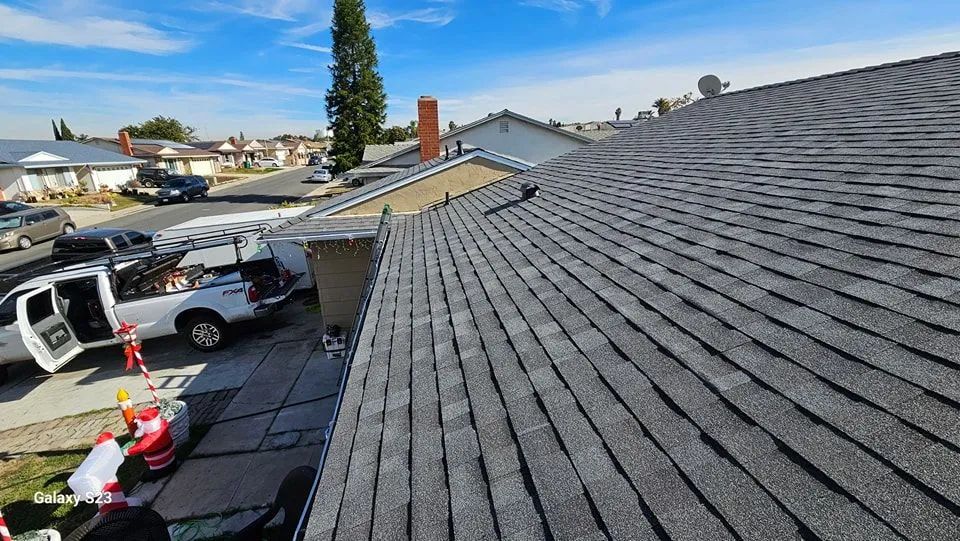
Asphalt shingle roofing remains one of the most widely used roofing systems for residential properties because of its durability, affordability, and ability to perform in a wide range of weather conditions. While asphalt shingles are designed to provide long-term protection, many roofs fail years earlier than expected due to poor installation practices, neglected maintenance, inadequate ventilation, and environmental exposure. Homeowners often focus only on the shingles themselves, but the overall lifespan of a roof depends heavily on how the entire roofing system is installed from the beginning. Proper underlayment placement, flashing integration, ventilation planning, and precise shingle alignment all contribute to the roof’s long-term performance and structural reliability.
Modern roofing standards continue to evolve as manufacturers develop stronger materials, advanced weather barriers, and improved installation methods that help roofs withstand wind, moisture, temperature fluctuations, and UV exposure. Even high-quality shingles can deteriorate prematurely when installation shortcuts compromise the roof system beneath the surface. Understanding how expert installation extends the lifespan of an asphalt shingle roof helps property owners protect their investment while reducing future repair costs and unexpected structural issues. A properly installed roof not only improves weather protection and energy efficiency but also strengthens overall property value and long-term home performance for many years ahead.
The Importance of Proper Roof Installation
Why Installation Quality Matters
Many roofing problems begin long before leaks become visible inside the home. Incorrect installation methods can weaken the roofing system and create vulnerabilities that allow moisture intrusion, wind uplift, and premature material deterioration. Even minor installation mistakes may shorten the expected life of asphalt shingles by several years.
Expert installation ensures every roofing component works together as a complete protective system. Proper fastening patterns, shingle spacing, underlayment coverage, and flashing placement all help prevent common roofing failures. Roofing professionals understand how regional climate conditions affect material performance and installation requirements.
A properly installed roof helps homeowners avoid issues such as:
- Water infiltration beneath shingles
- Curling or lifting shingles
- Ice dam formation
- Premature granule loss
- Structural wood rot
- Mold and mildew development
- Ventilation-related heat buildup
Careful installation also improves the roof’s ability to handle seasonal expansion and contraction caused by changing temperatures.
The Role of Roofing System Components
An asphalt shingle roof consists of multiple layers working together to protect the structure. Shingles alone cannot provide complete protection without proper support materials beneath them.
Critical roofing system components include:
Underlayment Protection
Underlayment acts as a secondary moisture barrier beneath the shingles. Proper placement protects roof decking from water intrusion caused by wind-driven rain or damaged shingles.
Flashing Installation
Flashing seals vulnerable roof transitions around chimneys, valleys, skylights, vents, and walls. Poor flashing installation remains one of the leading causes of roof leaks.
Drip Edge Placement
Drip edges guide water away from fascia boards and roof decking. Incorrect installation can allow moisture damage along roof edges.
Roof Deck Preparation
Damaged or weak decking compromises the stability of the entire roof system. Professional installers inspect decking before shingle installation begins.
Choosing High-Quality Asphalt Shingles
Understanding Shingle Types
Not all asphalt shingles provide the same durability or weather resistance. Choosing the correct material helps maximize roof lifespan while improving overall performance.
Three-Tab Shingles
Three-tab shingles remain one of the most economical roofing options. While affordable, they generally offer shorter lifespans and lower wind resistance compared to architectural shingles.
Architectural Shingles
Architectural shingles feature layered construction that improves durability and weather resistance. Their heavier design also provides a more dimensional appearance.
Impact-Resistant Shingles
Some asphalt shingles are engineered to resist hail and storm damage. These products may reduce repair costs in areas prone to severe weather.
Manufacturer Specifications and Warranty Protection
Roofing manufacturers establish detailed installation guidelines to maintain warranty eligibility. Improper installation may void warranty coverage even when premium materials are used.
Professional roof installation helps ensure compliance with:
- Manufacturer fastening requirements
- Ventilation specifications
- Underlayment standards
- Flashing requirements
- Roof slope limitations
Following these standards supports long-term roof protection while preserving warranty benefits.
Matching Roofing Materials to Climate Conditions
Climate plays a major role in asphalt shingle performance. Roofing systems installed in high-heat, coastal, snowy, or storm-prone regions require materials designed for those conditions.
For example:
- High UV exposure can accelerate shingle deterioration
- Humid environments increase moisture-related risks
- Strong winds require enhanced fastening systems
- Freeze-thaw cycles place stress on roofing materials
Experienced installers help homeowners select roofing systems suited to local environmental demands.
Roof Ventilation and Moisture Control
Why Ventilation Extends Roof Lifespan
Roof ventilation directly affects asphalt shingle durability. Poor attic ventilation traps heat and moisture beneath the roof, accelerating material deterioration and increasing structural risks.
Excessive attic heat may cause:
- Premature shingle aging
- Warping roof decking
- Increased cooling costs
- Shortened roof lifespan
Moisture buildup can also create condensation problems that damage insulation, framing, and wood components.
Balanced Intake and Exhaust Ventilation
Preventing Ice Dams and Moisture Intrusion
Routine Roof Maintenance After Installation
The Importance of Regular Roof Inspections
Even expertly installed roofs require ongoing maintenance to maximize lifespan. Routine inspections help identify small issues before they become major structural problems.
Professional inspections often identify:
- Loose or damaged shingles
- Flashing separation
- Ventilation blockages
- Gutter drainage issues
- Storm-related damage
- Moss or algae growth
Early repairs help prevent widespread water intrusion and interior property damage.
Cleaning Gutters and Drainage Systems
Clogged gutters force water to back up beneath shingles and along roof edges. Overflowing water may damage fascia boards, siding, and foundations.
Homeowners should maintain:
- Gutters
- Downspouts
- Roof valleys
- Drainage channels
Regular cleaning supports proper water flow and protects roofing components from standing moisture.
Removing Debris and Organic Growth
Leaves, branches, and organic debris trap moisture against roofing materials. Long-term moisture exposure contributes to algae, moss, and mold development.
Moss growth may lift shingles and weaken protective granules. Gentle roof cleaning methods help maintain roof appearance while protecting material integrity.
Addressing Minor Repairs Quickly
Delaying small roof repairs often leads to larger structural concerns. Missing shingles or minor flashing damage may appear insignificant initially but can allow hidden moisture intrusion over time.
Prompt repairs help homeowners avoid:
- Interior ceiling damage
- Rotting roof decking
- Insulation deterioration
- Mold growth
- Expensive structural restoration
Weather Protection and Storm Resistance
Wind Resistance and Secure Fastening
Improperly fastened shingles are more vulnerable during severe storms. High winds can loosen roofing materials and expose the underlayment beneath.
Professional installers follow manufacturer fastening patterns designed to improve wind resistance. Correct nail placement prevents shingles from lifting or tearing away during strong weather events.
Protecting Against UV Damage
Continuous sunlight exposure gradually breaks down asphalt shingles. UV radiation causes material brittleness, fading, and granule deterioration over time.
High-quality shingles combined with proper attic ventilation help reduce heat stress and UV-related wear.
Managing Heavy Rain and Water Runoff
Water management remains one of the most important functions of any roofing system. Roof slopes, flashing systems, and drainage components must work together to direct water safely away from the structure.
Professional installation reduces risks associated with:
- Ponding water
- Roof leaks
- Valley deterioration
- Flashing separation
- Edge damage
Hail and Impact Protection
Hailstorms can weaken asphalt shingles even when visible damage appears minimal. Repeated impacts may loosen protective granules and expose the asphalt layer beneath.
Impact-resistant roofing materials and professional installation methods improve roof durability during severe weather seasons.
Dependable Roof Installation Services For Lasting Performance
Extending the lifespan of an asphalt shingle roof requires more than selecting quality materials. Long-term performance depends on proper installation, ventilation planning, routine maintenance, and attention to environmental conditions that affect roofing durability over time. Homeowners who invest in expert installation reduce the likelihood of premature roof failure, recurring leaks, structural moisture damage, and unnecessary repair expenses. A properly installed roofing system supports better weather protection, energy efficiency, and property value while helping the home remain protected through changing seasonal conditions.
At Protecta Roofing Inc., we provide professional roofing services designed to help property owners maximize the lifespan and performance of asphalt shingle roofing systems all across San Marcos, California. With more than 25
years of industry experience, we understand how installation quality directly affects long-term roof durability and structural protection. We focus on careful workmanship, proper material selection, ventilation planning, flashing installation, and dependable roofing solutions tailored to local climate conditions. Our commitment to high standards, reliable service, and long-term roofing performance allows homeowners to feel confident that their investment is protected for years ahead. Whether addressing roof replacement, installation, or preventative roofing care, we continue helping property owners maintain strong, dependable roofing systems that support long-term home protection and value.